
NIMO 15.6 AI Creator Laptop
5.0Editor score
Ryzen 5 6600H CPU
16GB DDR5 RAM
512GB PCIe SSD
Finding the right laptop for Lumion requires balancing powerful hardware with portability. You need a machine that can handle complex 3D scenes, real-time rendering, and high-resolution textures without lag or thermal throttling during critical project deadlines.
We evaluated ten distinct models based on processor speed, graphics capabilities, memory capacity, and display quality. Our analysis focuses on how each device performs under the heavy computational load typical of architectural visualization and 3D modeling workflows.
Each pick in this list highlights specific strengths like budget affordability or premium performance. Keep in mind that product availability and pricing can fluctuate frequently. Check current listings before making your final purchase decision to ensure you get the best value available today.
5.0Editor score

4.7Editor score
4.8Editor score
As an Amazon Associate we earn from qualifying purchases.
The following table provides a side-by-side comparison of all ten laptops selected for this guide. It highlights key specifications to help you quickly identify which model best fits your specific rendering needs and budget constraints.


This laptop stands out as a powerful workstation for architectural visualization due to its Ryzen 7 8745HS processor and massive 32GB of DDR5 memory. It handles multitasking and complex scene loading smoothly while providing a spacious 17.3-inch display for detailed viewing.
We may earn a commission when you buy through this link, at no additional cost to you.
The processor delivers up to 4.9GHz clock speeds which are crucial for real-time rendering in Lumion. The dual M.2 slots and DDR5 memory allow for easy future expansion as your project files grow larger over time.
While the integrated Radeon graphics are capable for casual work they may struggle with extremely heavy GPU rendering compared to dedicated cards. However the thermal management and performance headroom make it a solid choice for intermediate 3D professionals.
This model is ideal for students and professionals who need a balance of power and portability. It offers enough RAM to run Lumion alongside other software without slowdowns.
The 8-core Ryzen 7 8745HS CPU ensures that your software runs efficiently even during intense calculation tasks.
Dual SO-DIMM and M.2 slots let you upgrade RAM and storage effortlessly as your needs evolve.
We may earn a commission when you buy through this link, at no additional cost to you.
This budget-friendly laptop offers excellent value for entry-level Lumion users. The Ryzen 5 6600H processor paired with 16GB DDR5 RAM provides a smooth foundation for 3D modeling tasks without breaking the bank.
We may earn a commission when you buy through this link, at no additional cost to you.
Its balanced performance makes it suitable for students or freelancers starting their journey in architectural rendering. The inclusion of DDR5 memory ensures modern speeds for multitasking and application switching.
Users should note the 512GB storage fills up quickly with large project files so external drives may be necessary. The integrated graphics handle basic rendering well but might lag on complex scenes.
It is a great choice for those prioritizing cost efficiency while maintaining decent performance. The upgrade room allows you to enhance storage later as your library grows.
Priced significantly lower than competitors it still delivers reliable speed for daily rendering workflows.
Expandable RAM and storage options mean this machine can adapt as your professional demands increase.
We may earn a commission when you buy through this link, at no additional cost to you.
This premium laptop combines high-end specs with a sleek portable design. The Intel Ultra 7 258V processor and 32GB of LPDDR5X RAM ensure that heavy Lumion scenes render quickly and efficiently.
We may earn a commission when you buy through this link, at no additional cost to you.
The 2TB SSD provides ample space for storing extensive 3D asset libraries and project files without needing external drives. This capacity is ideal for professionals who manage multiple large projects simultaneously.
The touchscreen adds versatility for touch-based editing but may consume more power. The integrated Arc 140V GPU offers improved performance over older integrated chips but is still not a dedicated powerhouse.
Ideal for mobile professionals who need power on the go without sacrificing storage. Its AI features also assist with productivity tasks beyond just rendering.
The massive 2TB drive keeps all your textures and models locally accessible for faster loading times.
Built-in NPU supports advanced AI tasks that streamline your creative process and daily tasks.
We may earn a commission when you buy through this link, at no additional cost to you.
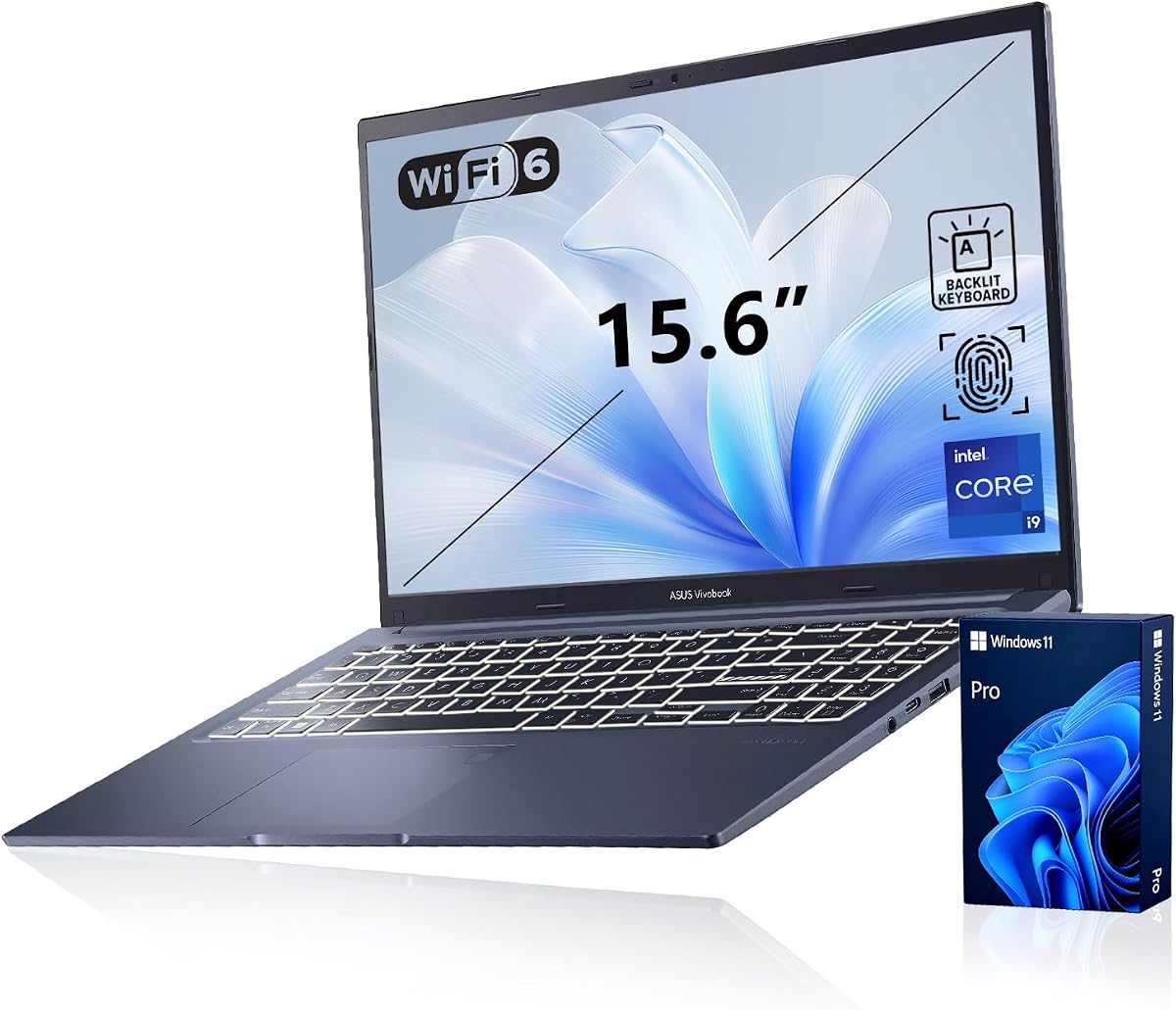
This model offers a robust Core i9 processor that excels at CPU intensive tasks often found in Lumion. The customization options allow you to select higher RAM and storage tiers to suit your specific workload.
We may earn a commission when you buy through this link, at no additional cost to you.
The 14-core architecture provides significant multitasking power which helps when switching between modeling and rendering software. The inclusion of Windows 11 Pro adds enterprise features for business users.
The lack of a dedicated GPU means heavy rendering tasks rely on the CPU which might take longer. The non-touch display is functional but limits interactive design features.
Best for users who prioritize raw processing power and customization. It serves well for architects who rely more on CPU stability than GPU acceleration.
The 14-core processor handles complex simulations and heavy multitasking with impressive speed.
The physical webcam shield ensures your data stays secure during client video calls.
We may earn a commission when you buy through this link, at no additional cost to you.
This laptop prioritizes screen real estate without adding excessive weight. The 17.3-inch display provides ample space for viewing detailed 3D models and interface panels simultaneously.
We may earn a commission when you buy through this link, at no additional cost to you.
Weighing under 4.6 lbs it remains portable despite the larger chassis. The backlit keyboard supports long working sessions in low light conditions which is common for creative professionals.
The 512GB SSD fills up quickly with large project files requiring careful management or external drives. The integrated graphics handle light tasks well but are not for heavy rendering.
Ideal for designers who need a big canvas on the go. The US support adds peace of mind for business users relying on daily productivity.
The 17.3-inch screen reduces window switching and boosts productivity during long design sessions.
A full-size keyboard with backlighting ensures comfortable typing even during late-night work.
We may earn a commission when you buy through this link, at no additional cost to you.
This bundle stands out for including a dedicated cooler to maintain performance during intense rendering sessions. The Core i9 processor and 32GB RAM provide a robust platform for demanding architectural software.
We may earn a commission when you buy through this link, at no additional cost to you.
The included PCO Cooler helps prevent thermal throttling which is a common issue with high performance laptops under load. This ensures consistent speeds for long projects without overheating.
While DDR4 memory is slightly slower than DDR5 the large capacity compensates for most tasks. The webcam shield is a thoughtful addition for privacy conscious users.
Best for professionals who run heavy loads daily and need thermal stability. The bundle value is significant when factoring in the cooling accessory.
The included cooler maintains peak processor frequency during long rendering and design sessions.
Windows 11 Pro and a physical webcam shield protect sensitive data and ensure privacy.
We may earn a commission when you buy through this link, at no additional cost to you.
This business laptop offers a reliable platform for general design and administrative tasks. The large screen and numeric keypad are ideal for spreadsheet work and data management alongside design projects.
We may earn a commission when you buy through this link, at no additional cost to you.
The battery life supports full workdays without constant charging. The Fast Charge technology ensures you get back to work quickly when power is low during travel.
The integrated graphics are sufficient for basic modeling but not for complex rendering. The webcam resolution is standard for video calls but lacks high definition clarity.
Best for business users needing a versatile workhorse. It balances daily productivity with enough power for light 3D modeling.
The full-size keyboard with numeric keypad streamlines data entry and document editing.
Long battery support and fast charging keep you productive throughout the day.
We may earn a commission when you buy through this link, at no additional cost to you.
This ultra-portable laptop is designed for basic web browsing and document editing. It features a slim profile and light weight making it ideal for students or travelers.
We may earn a commission when you buy through this link, at no additional cost to you.
The Intel Celeron processor and 4GB RAM are insufficient for running 3D modeling software. It lacks the power required for any significant rendering tasks in Lumion.
Storage is limited to 64GB but cloud options are provided. The long battery life makes it a good secondary device for light use on the go.
This model is not recommended for 3D work. It serves best as a lightweight companion for email and basic administrative tasks.
At 2.87 lbs it is easy to carry anywhere for basic tasks on the go.
Extended battery usage supports a full day of light computing without needing a charger.
We may earn a commission when you buy through this link, at no additional cost to you.
This gaming laptop brings dedicated graphics power to rendering workflows. The RTX 5060 GPU enables fast ray tracing and high-speed rendering that is difficult on integrated chips.
We may earn a commission when you buy through this link, at no additional cost to you.
The cooling system keeps temperatures low during intense processing ensuring stable performance. The 165Hz display offers smooth visuals for real-time navigation within 3D scenes.
Its weight and size are greater than typical business laptops. The RGB lighting can be turned off for a professional look in client meetings.
Best for users needing serious GPU power for visual effects. It is a strong choice for designers who also enjoy gaming off hours.
The RTX 5060 GPU accelerates rendering tasks significantly compared to integrated solutions.
The high refresh rate display makes navigating complex 3D models feel responsive and fluid.
We may earn a commission when you buy through this link, at no additional cost to you.
This entry-level laptop provides basic functionality for light office and browsing tasks. It features an 8GB LPDDR5 RAM and 512GB SSD which offer decent speed for general use.
We may earn a commission when you buy through this link, at no additional cost to you.
The processor is not designed for heavy 3D rendering or multitasking. It may struggle with complex scenes or multiple open applications in Lumion.
The 17.3-inch screen is large but the resolution and color accuracy are standard. The noise reduction features help during video calls.
Best for users with very light requirements or budget constraints. It is not recommended for professional 3D workflows.
This model suits basic tasks but lacks power for demanding software or rendering tasks.
Advanced AI noise reduction ensures clear communication during client meetings.
We may earn a commission when you buy through this link, at no additional cost to you.
Choosing the right laptop for Lumion requires balancing performance with portability. This section outlines key factors to consider for optimal rendering results.
Lumion relies heavily on CPU single-core performance for real-time rendering. Look for modern processors like Ryzen 7/9 or Core i7/i9 with high clock speeds to ensure smooth viewport navigation.
Prioritize models with at least six cores for multitasking. This ensures your system handles background updates without slowing down your active project.
Memory is critical for loading large 3D assets and textures. 16GB is the minimum standard but 32GB is recommended for complex scenes to avoid lag.
Higher RAM capacity ensures smoother multitasking when running multiple applications. This prevents bottlenecks during long rendering sessions.
While Lumion supports integrated graphics, dedicated GPUs like NVIDIA RTX series provide significantly faster rendering times. For heavy use, a dedicated card is highly recommended.
Integrated graphics may suffice for basic tasks but struggle with complex scenes. Invest in a model with dedicated VRAM for best performance.
Fast SSD storage reduces load times for large asset libraries and software. PCIe Gen 4 NVMe drives are preferred for quick access to textures and models.
Storage capacity should be at least 512GB to handle project files locally. External drives can supplement this for archival needs.
A high resolution display with good color accuracy is vital for design work. Look for IPS panels with at least Full HD resolution to ensure sharp visuals.
Screen size impacts productivity; larger screens allow more tools to remain visible. A 17-inch display is often preferred for detailed architectural work.
Rendering tasks generate significant heat which can throttle performance if cooling is inadequate. Look for laptops with advanced cooling systems like vapor chambers.
Effective thermal management ensures consistent speeds during long sessions. Overheating can lead to system instability and slowdowns.
Balance weight with screen size based on your workflow needs. Laptops under 5 pounds are easier to carry for remote work or client meetings.
Consider battery life if working away from power outlets. Fast charging capabilities can save time during travel.
Ample ports reduce the need for dongles when connecting external monitors. USB4, HDMI 2.1, and SD card slots are useful for creative workflows.
Modern connectivity ensures easy data transfer and display expansion. Look for models with versatile I/O options for your setup.
To maximize performance, keep your graphics drivers updated regularly. This ensures compatibility with the latest Lumion features and bug fixes for smoother rendering.
Clean the keyboard and screen with appropriate microfiber cloths to avoid scratches. Using a cooling pad can help maintain optimal temperatures during intense rendering sessions.
Store your project files on an external drive or cloud service to protect against data loss. Regular backups ensure your work remains safe even if the device fails.
Yes Lumion can run on integrated graphics but performance will be limited to basic projects. For complex scenes, a dedicated GPU is strongly recommended to avoid lag. Most modern integrated chips can handle simple models effectively.
A minimum of 16GB RAM is recommended for smooth performance. For complex scenes and multitasking, 32GB or more is ideal. This ensures your system handles large assets without slowing down.
A large screen helps with productivity but is not strictly necessary. A 15-inch display is sufficient for most tasks though 17-inch models offer more workspace. External monitors can supplement smaller screens effectively.
SSD storage is highly recommended for fast load times and smooth application launch. Hard drives can work but will significantly slow down your workflow. NVMe SSDs are the fastest option available.
Update your graphics drivers every few months or whenever a new major update is released. This ensures compatibility with the latest software features and optimal performance. Check the manufacturer's website regularly for updates.
Yes gaming laptops often have powerful GPUs suitable for rendering. However they may be heavier and have shorter battery life. Look for models with good thermal management for professional use.
This guide highlights ten laptops ranging from budget-friendly options to powerful workstations. The NIMO 17.3-inch model stands out as the best all-around choice for balanced power.
Prioritize RAM and GPU power if you handle complex scenes regularly. For casual users, budget models like the NIMO 15.6-inch provide sufficient performance for basic tasks.
Always check current pricing and availability before purchasing. Prices fluctuate frequently so comparing today's offers ensures you get the best value for your investment.