
Upgraded Version Bed Sensor Alarm and Fall Prevention for Elderly Dementia and More
4.5Editor score
Floor based motion detection
Dual power supply option
Large wireless signal range
Ensuring the safety of elderly and dementia patients at night is a top priority for caregivers everywhere. Bed alarms provide early alerts when a loved one attempts to leave their bed or chair, offering precious time to prevent falls and injuries before they happen.
We have evaluated ten leading bed alarm systems based on sensor reliability, wireless range, ease of setup, and caregiver notification options. This list covers pressure pads, floor mats, and motion sensors designed to balance safety with comfort and dignity for users.
Each product pick includes detailed features, pros, cons, and setup guidance to help you find the best fit for your home care needs. Please note that prices and availability can change over time so verify details before purchasing.
4.5Editor score
4.8Editor score
4.6Editor score
As an Amazon Associate we earn from qualifying purchases.
This table provides a side by side comparison of key features for all ten bed alarm systems included in this guide to help you make an informed decision quickly.
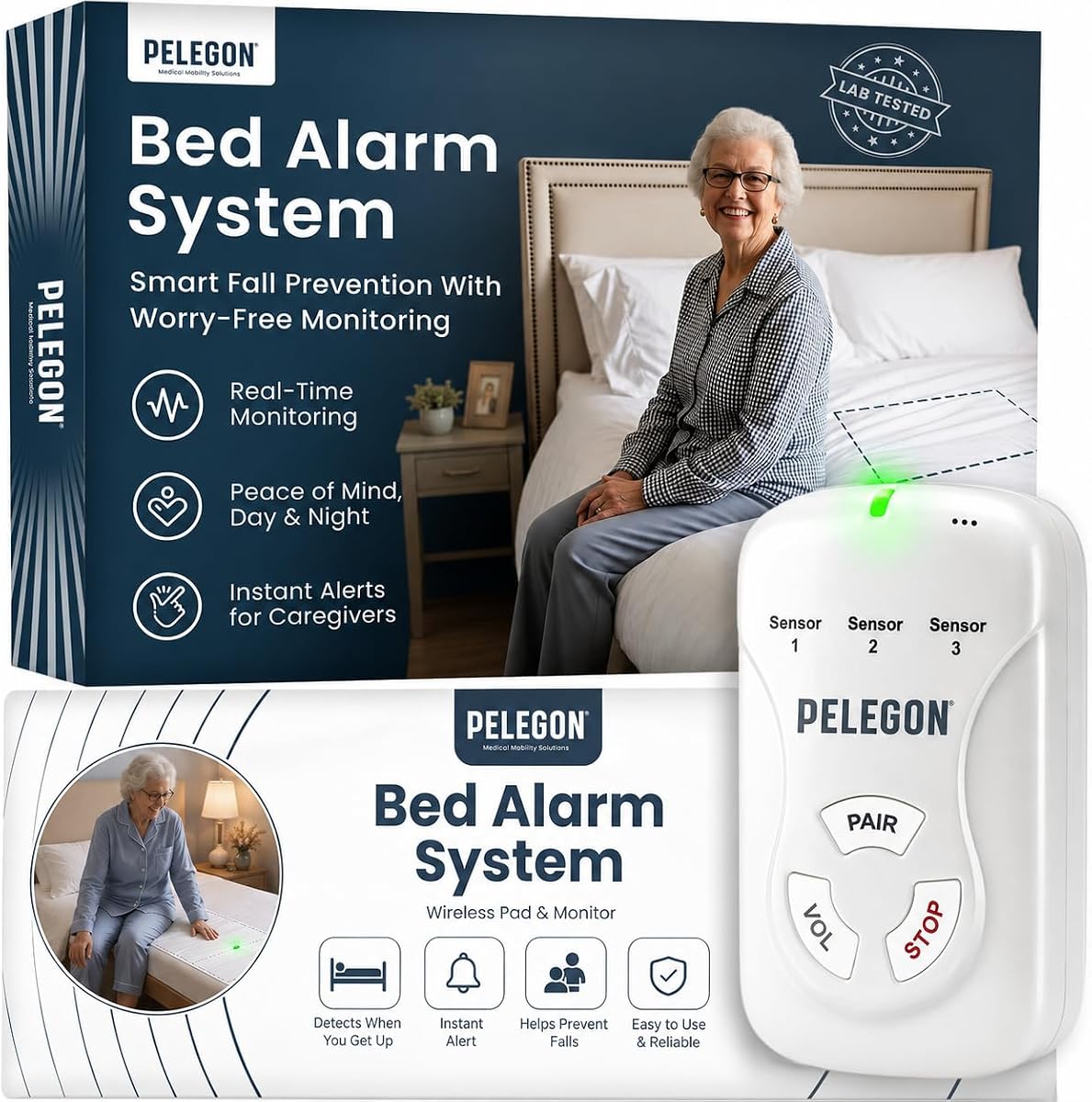


The PELEGON bed alarm system offers a reliable way to monitor elderly and dementia patients without disrupting their sleep. With a high rating for comfort and response time, it delivers early alerts when pressure is removed from the bed.
We may earn a commission when you buy through this link, at no additional cost to you.
Caregivers appreciate the long wireless range that allows monitoring from another room while still receiving timely notifications. The customizable alert modes including vibration ensure that sensitive sleepers are not startled awake during the night.
While the pad is generally comfortable it can shift under heavy movement which may require occasional readjustment to maintain optimal detection sensitivity. The absence of a dedicated chair pad means you may need a separate system for chair exit monitoring.
This system is ideal for home environments where caregivers need flexibility and reliable fall prevention without complicated wiring. It balances safety needs with user comfort effectively making it a top choice for daily care routines.
The system supports up to 328 feet of coverage which means caregivers can monitor from another room or hallway without losing connection.
You can choose from sound alerts volume adjustments or vibration only modes to suit different sleeping environments and preferences.
We may earn a commission when you buy through this link, at no additional cost to you.
Smart Caregiver provides a straightforward alarm that alerts caregivers when pressure is removed from the patient bed bed. Its vinyl pad is durable and easy to clean which is essential for long term daily use.
We may earn a commission when you buy through this link, at no additional cost to you.
The system includes a reset button that allows caregivers to silence the alarm quickly after checking on the patient which reduces noise stress during night shifts. Status lights indicate battery and sensor conditions clearly.
Wireless options are sold separately which means the core unit requires a corded connection that might limit placement flexibility. The range is generally sufficient for nearby rooms but not for long distance monitoring.
This option works well for families seeking a no fuss solution that prioritizes hygiene and ease of maintenance. It remains a popular choice for basic bed exit monitoring needs.
The sensor pad is sealed for incontinence protection and can be wiped clean with a wet cloth for hygienic use.
A convenient reset button on the monitor allows you to quickly silence alarms after verifying patient safety.
We may earn a commission when you buy through this link, at no additional cost to you.
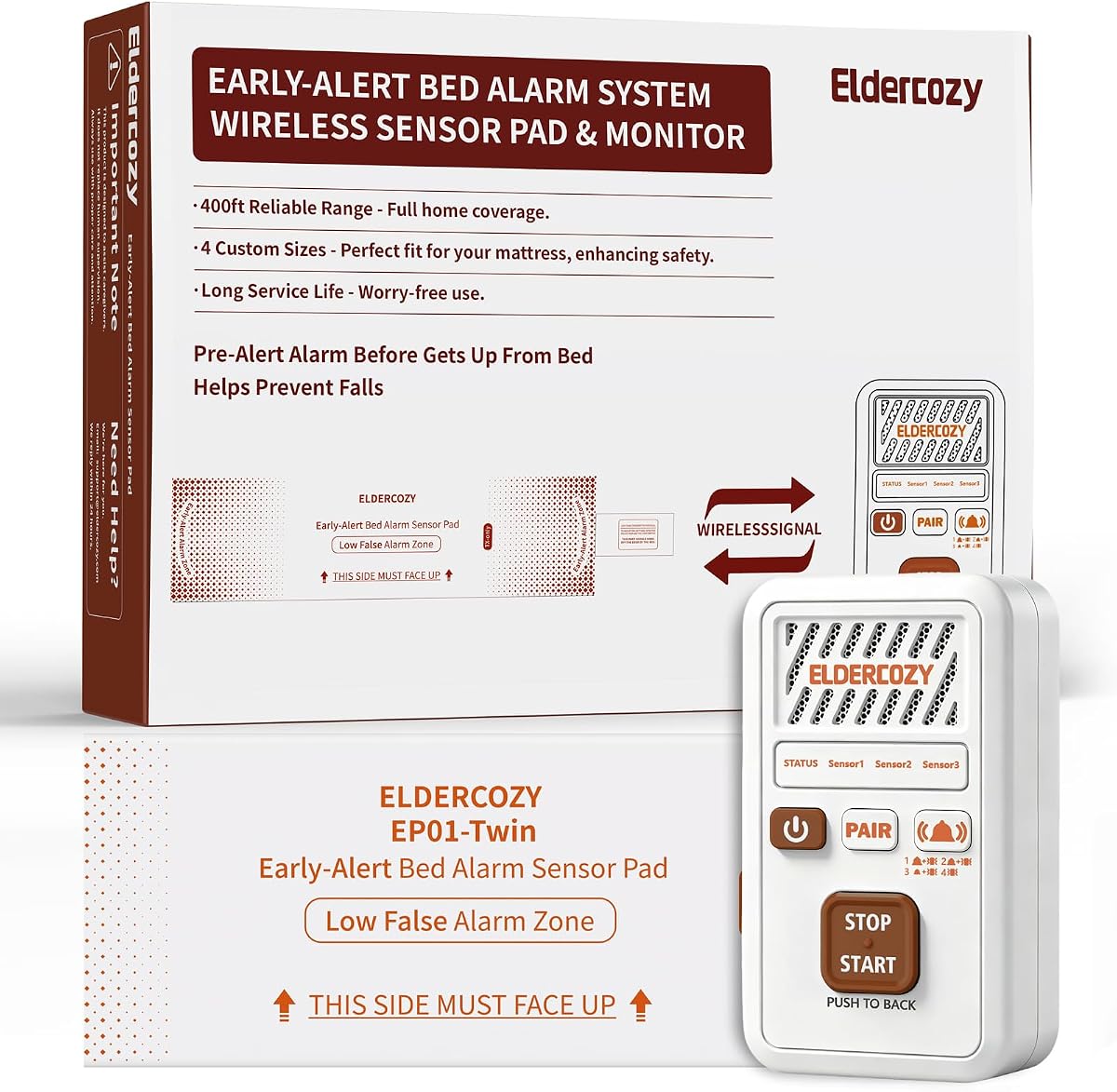
This early alert system stands out for its hip level placement which detects when a patient sits up before they stand reducing fall risks significantly. The TPU material is comfortable and silent unlike older noisy PVC models.
We may earn a commission when you buy through this link, at no additional cost to you.
Caregivers love the pause feature that stops the alarm for twenty minutes during assistance times to prevent constant false alerts. Replaceable batteries extend the life indefinitely avoiding the need for new units every year.
The premium price point may be higher than basic systems but the comfort and extended battery life justify the investment. Twin sizing may require checking mattress fit for larger beds though larger options are available.
It is an excellent choice for dementia patients where early detection and minimal noise are critical for safety and sleep quality. This system sets a high standard for bed alarm comfort and reliability.
The sensor pad uses skin friendly TPU that does not crunch when rolled over ensuring uninterrupted sleep for the patient.
Long press the STOP button to pause the alarm for twenty minutes while you assist the patient without triggering alerts.
We may earn a commission when you buy through this link, at no additional cost to you.
This sensor places on the floor to detect when feet touch the ground which avoids discomfort of under sheet pads. It offers a long wireless range making it versatile for larger homes or open floor plans.
We may earn a commission when you buy through this link, at no additional cost to you.
The system includes multiple volume levels and LED indicators so caregivers can adjust alerts based on their preference. A micro USB power option provides flexibility beyond battery only setups.
Because detection is floor based it may not warn as early as hip or shoulder sensors if the patient leans heavily before standing. However for the price it is an effective entry level solution.
Ideal for budgets needing basic monitoring without complex setup this sensor works well in rooms where bed mats are impractical. It balances cost and performance for everyday use.
The sensor sits on the floor under the bed to detect foot contact with the ground reducing patient discomfort.
A Micro USB port allows you to power the unit without relying solely on batteries for continuous use.
We may earn a commission when you buy through this link, at no additional cost to you.
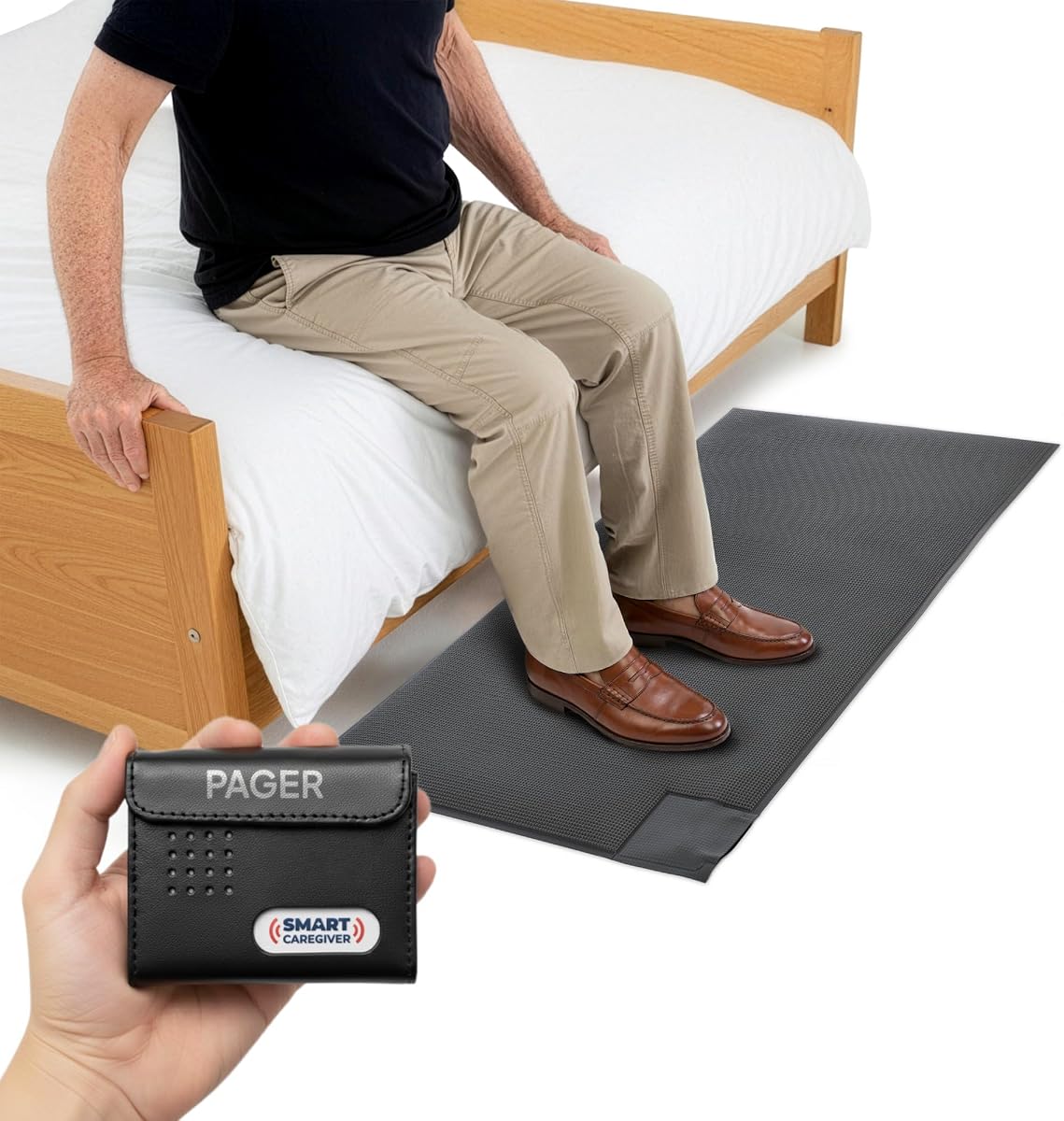
This floor mat system is designed to detect when a patient steps on the mat after leaving the bed which makes it highly effective for preventing wandering. The large size ensures detection even if steps are uneven.
We may earn a commission when you buy through this link, at no additional cost to you.
Caregivers can carry the pager to receive alerts quietly which reduces noise stress during night shifts. The silent vibration option is particularly useful in shared rooms or sensitive sleep environments.
The mat requires floor space which might be a constraint in smaller rooms but its durability makes it suitable for daily traffic. The price reflects its high quality build and versatile functionality.
Perfect for patients with high wandering risks this mat provides peace of mind by alerting caregivers as soon as movement occurs. It is a robust solution for both home and facility use.
The mat measures 24×48 inches offering wide coverage that captures most movement patterns reliably.
A wireless pager offers vibrate and sound options ensuring discreet alerts in shared rooms.
We may earn a commission when you buy through this link, at no additional cost to you.
This system supports up to six sensors which means caregivers can monitor beds chairs and doorways from one pager. The weight sensing pad is reliable and designed to reduce false alarms from normal movement.
We may earn a commission when you buy through this link, at no additional cost to you.
American based customer service adds confidence for those who value responsive support when issues arise. The pager offers both sound and vibration alerts to suit different caregiver preferences.
The sensor pad connects via a cord which can limit flexibility compared to fully wireless pads but ensures stable connection. Setup may take a few minutes to pair sensors correctly.
For multi area monitoring needs this expandable system saves money by using one pager for multiple sensors. It is an ideal choice for caregivers needing comprehensive coverage without multiple devices.
The pager can support up to six sensors allowing coverage of beds chairs and exits from one unit.
Engineered to reduce false alarms the pad alerts only when pressure is removed indicating a true exit.
We may earn a commission when you buy through this link, at no additional cost to you.
CallToU offers an infrared sensor that detects motion without physical contact which avoids discomfort from under sheet pads. The receiver is portable and can be moved around to fit changing needs.
We may earn a commission when you buy through this link, at no additional cost to you.
Caregivers can use silent vibrate modes to prevent disturbing other household members during night monitoring. The sensor rotates 360 degrees to optimize detection angles and avoid false triggers.
Lower ratings suggest some variability in detection performance which may require careful placement for best results. Battery life depends on usage but is replaceable which keeps long term costs low.
This unit is best for those wanting a portable and flexible solution without bed mats. It works well in hospitals or homes where setup needs to be quick and simple.
Adjustable volume and vibration settings allow discreet alerts that do not disturb shared sleepers.
The sensor can rotate 360 degrees to ensure accurate detection in various room layouts.
We may earn a commission when you buy through this link, at no additional cost to you.
This motion sensor detects footsteps and alerts caregivers when a patient leaves a room or bed area. The factory paired setup makes it easy to start using right out of the box.
We may earn a commission when you buy through this link, at no additional cost to you.
Four alert modes including sound and light allow caregivers to customize how they are notified. USB power ensures the unit does not depend solely on batteries which can be a hassle.
Because it relies on floor motion it may not alert as early as pressure pads but it avoids bed discomfort entirely. The long range supports large homes effectively.
A good choice for families needing a simple and flexible system this alarm works well for door monitoring too. It balances convenience and safety for everyday use.
The sensor and receiver are pre paired so setup only requires inserting batteries to begin monitoring.
Switch between sound with light light only or high volume alarm modes to suit your preferences.
We may earn a commission when you buy through this link, at no additional cost to you.
This system comes with both bed and chair pads so caregivers can monitor exit from both locations with one device. The pads are sealed for incontinence protection which makes cleaning simple.
We may earn a commission when you buy through this link, at no additional cost to you.
Controls are accessible inside the battery compartment for volume adjustments without exposing buttons to patients. A reset button silences alarms quickly after checking on the user.
Managing two pads requires attention to placement to ensure both are under the correct areas. The monitor is corded which may limit movement compared to wireless systems.
For families needing both bed and chair monitoring this dual pack offers good value and coverage. It suits daily care routines where sitting and lying exits both occur.
Includes a 10×30 inch bed pad and a 10×15 inch chair pad for comprehensive exit monitoring.
Volume options and reset buttons are inside the compartment to keep the front panel clean and secure.
We may earn a commission when you buy through this link, at no additional cost to you.
This basic alarm provides essential pressure detection when a patient attempts to leave the bed. The water resistant pad allows easy cleaning which helps maintain hygiene over time.
We may earn a commission when you buy through this link, at no additional cost to you.
Caregivers can choose from volume music or vibration alerts to suit their needs. The setup is straightforward making it accessible for those with limited technical experience.
Lower reliability ratings indicate mixed performance which suggests it may not alert consistently in all conditions. It lacks advanced features like long range or chair support.
Best for temporary or supplemental use this pad offers simple fall prevention at an entry price. It works for home settings where basic alerts are sufficient.
The pad uses pressure sensors to trigger alerts when the patient attempts to leave the bed.
The included pager supports customizable alert options including music and vibration modes.
We may earn a commission when you buy through this link, at no additional cost to you.
Choosing the right bed alarm involves evaluating sensor type alert range and caregiver needs.
There are two main types of bed alarms: pressure pads that sit under the mattress and motion sensors that detect foot movement. Pressure pads offer early alerts but can be uncomfortable or shift. Motion sensors avoid bed contact but detect later in the rise.
Choose pressure pads for early detection or motion sensors for comfort and ease of placement.
Wireless range determines how far caregivers can move while staying notified. Ranges vary from 100 feet to over 900 feet. Longer ranges are vital for large homes or shared living spaces.
Prioritize longer ranges if you need to monitor from separate rooms or distant areas.
Alerts can be audible sound vibration or light. For shared rooms or sensitive sleepers vibration and silent modes prevent disturbing others. Adjustable volume ensures alarms are heard without startling patients.
Select systems with multiple alert modes to balance caregiver awareness with patient comfort.
Most units use replaceable batteries while some offer USB power options. Replaceable batteries provide flexibility but require regular changes. USB options reduce battery waste and ensure continuous power.
Choose USB options for long term use or batteries for portability and simplicity.
Tool free setups with quick pairing save time and effort. Some systems require cords or screws which can complicate placement. Look for plug and play options if you need fast installation.
Opt for tool free systems to simplify daily care and reduce setup stress.
Incontinence resistant pads are essential for daily use. Sealed vinyl or TPU materials allow wiping clean and resist moisture. Durability extends the lifespan and reduces replacement costs.
Pick waterproof materials with sealed pads to maintain hygiene and longevity.
Some systems support multiple sensors for chairs and doorways. If your loved one moves often consider expandable units that monitor multiple points from one pager.
Choose expandable systems for comprehensive safety without multiple devices.
Reliable customer support helps troubleshoot issues quickly. Warranty coverage ensures peace of mind for long term investments. US based companies often provide faster support access.
Check warranty terms and support availability before purchasing to ensure reliable assistance.
Place the sensor pad under the fitted sheet near the patient's hips or shoulders. Ensure it lies flat without wrinkles for accurate detection. Connect the monitor and pair any wireless pagers before testing.
Test the system by applying and releasing pressure to confirm the alarm sounds. Adjust volume and alert modes as needed. Keep the monitor near the caregiver and ensure batteries are charged.
Clean the sensor pad regularly with a damp cloth to maintain hygiene. Check battery levels monthly and replace when low. Store the system safely when not in use to protect it from damage.
Yes, bed alarms are safe when used correctly and do not restrain the patient. They detect movement and alert caregivers so timely help arrives before falls occur. Always follow instructions to prevent false alarms and maintain comfort.
Wireless ranges vary by model from 100 feet up to over 900 feet in open spaces. Larger homes require systems with extended range to ensure the pager remains connected when the caregiver moves to another room.
Some systems come with dual pads for both beds and chairs. If your current system does not support chairs check if additional sensor pads are available to expand monitoring to seating areas.
Most alarms use standard AA or AAA batteries. Some units offer USB power options for continuous use. Check the product specifications for exact battery types to ensure you stock the correct replacements.
Many pressure pads are designed to be water resistant and incontinence proof. They can be wiped clean with a damp cloth. Always verify the product details for waterproof ratings to match hygiene needs.
Alarms can be set to vibrate or use lower volume settings to reduce startling. Early alerts help caregivers assist quickly so the alarm is less likely to cause anxiety or confusion in patients.
Test the alarm by simulating weight removal before daily use. Check indicator lights for battery status. If the alarm fails to sound contact support to troubleshoot the connection or replace batteries.
No, most bed alarms use wireless radio signals or simple connections that do not require Wi-Fi. This makes them reliable even in areas with weak internet. Always check specifications for connectivity needs.
The ten systems compared offer reliable solutions for fall prevention ranging from budget motion sensors to premium TPU pads with caregiver pause modes. Your choice depends on specific needs such as range durability and comfort.
Prioritize systems that balance early detection with minimal noise to ensure safety without compromising sleep quality. Expandable units provide broader coverage if you need to monitor multiple locations beyond the bed.
Always check current prices and availability before purchasing as these factors change frequently. Investing in a reliable bed alarm gives peace of mind and helps caregivers maintain effective daily routines.