
WVOVW 6 Pack
4.2Editor score
1.5 inch thick egg crate design
Fire resistant and non toxic safe
Vacuum sealed for eco friendly shipping
Finding the right foam for noise reduction can transform any space into a quieter environment. Whether you are recording podcasts or seeking peace at home, selecting the correct material matters greatly for performance.
We evaluated ten leading products based on absorption quality, ease of installation, and durability. Each item was reviewed for its specific design and effectiveness in reducing unwanted sound waves across various settings.
Every pick highlights unique features and ideal use cases for different needs. Please note that product availability and pricing may change over time so check current listings before making your final decision.
4.2Editor score

4.5Editor score

4.2Editor score
As an Amazon Associate we earn from qualifying purchases.
The following comparison table details the key specifications and features of each selected product to help you make an informed choice for your specific noise control needs.



This set offers a comprehensive solution for soundproofing with 52 panels and 300 adhesive strips. The triangular groove structure is designed to absorb unwanted echoes and improve recording quality significantly.
We may earn a commission when you buy through this link, at no additional cost to you.
It uses high density foam that stops burning to prevent fire hazards while remaining non toxic for everyday use. The adhesive tape included helps finish installation without damaging walls permanently.
While the panels are only one inch thick which may limit deep bass absorption they recover shape quickly if soaked in water. This makes them practical for temporary setups or light acoustic treatment.
Ideal for home offices or vocal booths needing quick coverage. If you need a bulk kit with easy installation accessories this is a strong contender for your acoustic treatment needs.
The kit comes with 300 double side adhesive tapes which simplifies installation without extra costs.
Materials are non toxic and fire resistant to ensure safe use in indoor environments.
We may earn a commission when you buy through this link, at no additional cost to you.
These panels feature a pyramid design that maximizes surface area for better sound diffusion and absorption. At two inches thick they handle mid range frequencies better than thinner options.
We may earn a commission when you buy through this link, at no additional cost to you.
The high grade acoustic foam is durable and flame retardant meeting industry safety standards. Installation requires your own adhesive or tape which adds a small step to setup.
They are great for home theaters where visual style matters alongside sound control. The design adds a stylish modern touch to any space without compromising on function.
Perfect for podcast rooms or offices needing a balance of looks and sound treatment. If you want thicker panels for better performance this set is a solid choice.
Pyramid shape increases surface area to improve sound wave absorption and reduce reverberation.
Flame retardant foam meets industry standards to ensure safe use in occupied rooms.
We may earn a commission when you buy through this link, at no additional cost to you.
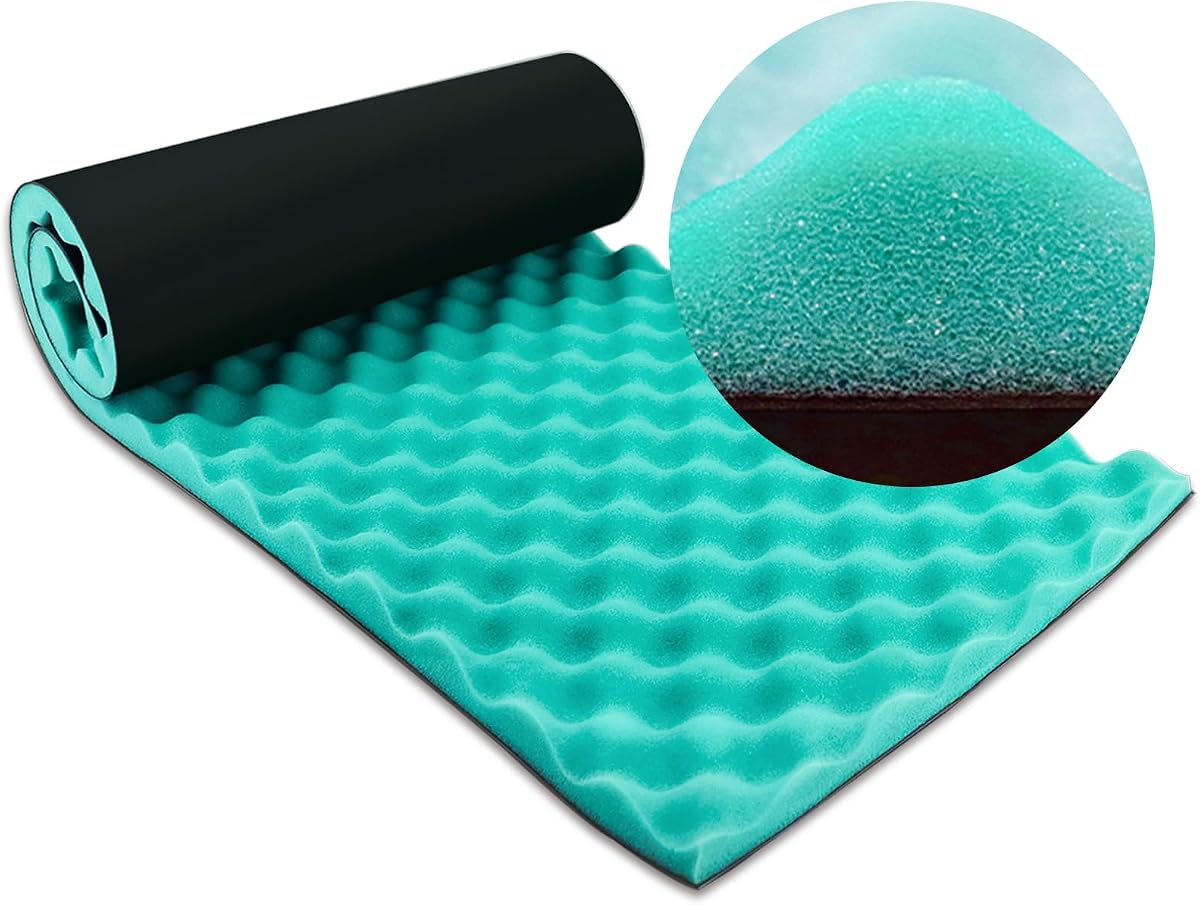
This pack uses an egg crate shape which increases surface area for sound friction and heat generation. At 1.5 inches thick it balances performance and ease of use well.
We may earn a commission when you buy through this link, at no additional cost to you.
It is made of non toxic polyurethane and passes fire safety testing for indoor use. The foam arrives vacuum sealed to save space but regains shape quickly when aired.
Compared to thicker panels it offers great value for smaller rooms or testing setups. Installation is easy and the included manual covers most designs for simple mounting.
Ideal for buyers on a budget who need effective sound absorption without overspending. If you want quality safety features at a low price point this is an excellent pick.
The intricate network structure provides better conditions for sound friction and heat generation.
Passed California Technical Bulletin 117-2013 for fire resistance and non-toxic safety.
We may earn a commission when you buy through this link, at no additional cost to you.
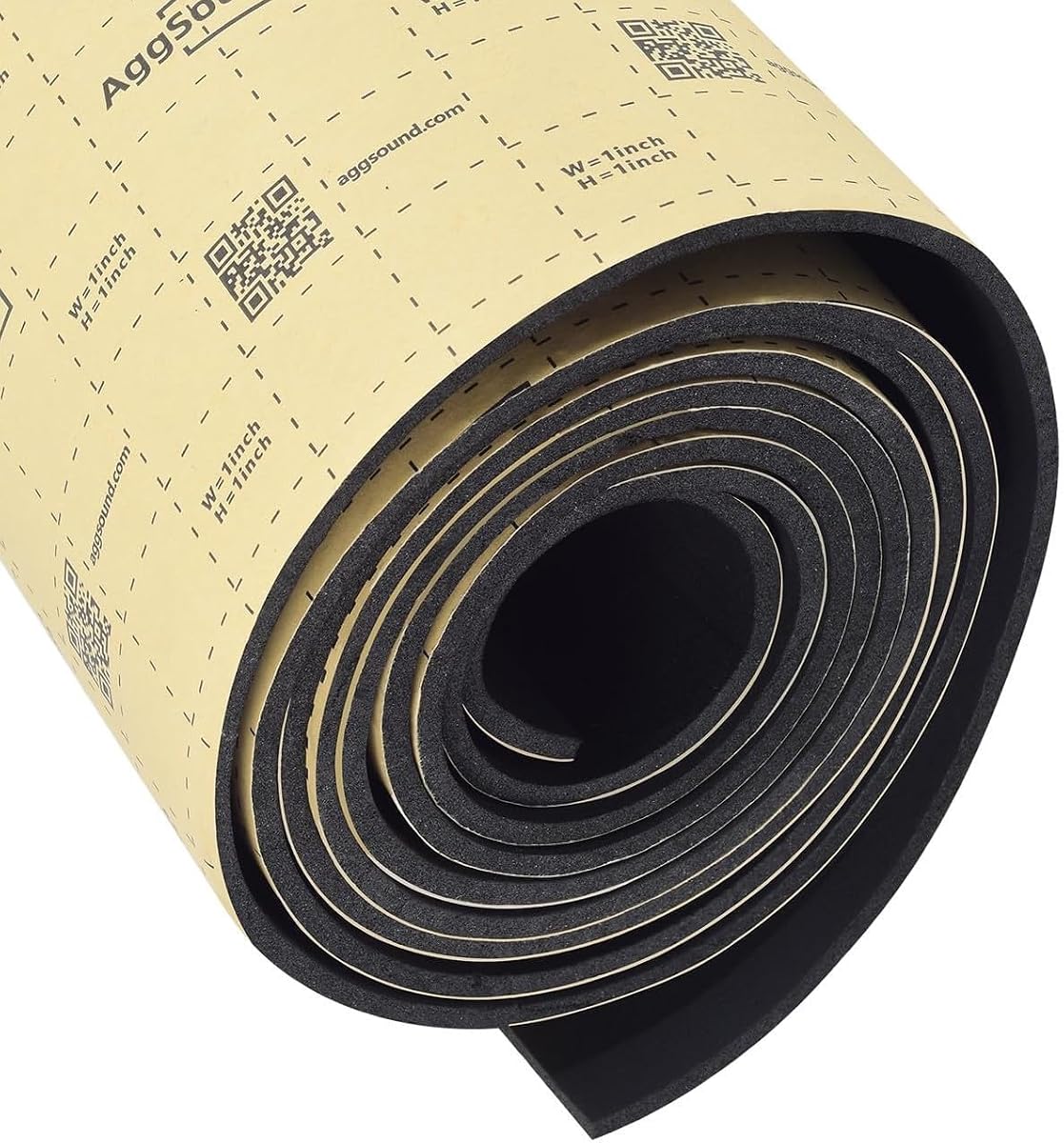
This liner is a closed cell foam designed to block heat and reduce road noise in vehicles. It covers 36 sqft and includes a strong adhesive layer for efficient installation.
We may earn a commission when you buy through this link, at no additional cost to you.
It blocks 98% of radiant heat which keeps your vehicle cooler in summer and warmer in winter. The foam is lightweight and waterproof so it does not absorb moisture.
While not meant for studio recording it excels at damping engine vibrations and heat transfer. The material stays flexible up to 215 degrees making it durable under the hood.
Perfect for car owners wanting a quieter and cooler ride. If you need heat insulation and sound deadening for your vehicle this liner is a highly rated choice.
Blocks 98% of radiant heat to protect interior and engine areas.
Closed cell structure ensures no moisture absorption for long term durability.
We may earn a commission when you buy through this link, at no additional cost to you.
This single panel offers 48 by 24 inch coverage at two inches thick for effective noise control. It is made from high density foam to improve room acoustics significantly.
We may earn a commission when you buy through this link, at no additional cost to you.
Ideal for music recording or podcasting where you need to reduce distractions. The quick recovery design ensures the material retains its shape after compression during shipping.
Since it is sold as one piece you can buy multiple to cover a wall or use one for a key spot. Adhesive must be purchased separately for mounting.
Great for home studios needing large panels without custom cutting. If you want a large single piece for immediate soundproofing this is a convenient option.
Measures 48 by 24 inches to cover large wall areas quickly.
High density foam returns to shape quickly after being compressed.
We may earn a commission when you buy through this link, at no additional cost to you.
This closed cell foam has a self adhesive layer for quick application without tools. It is highly dense and hard to effectively reduce noise and improve insulation.
We may earn a commission when you buy through this link, at no additional cost to you.
The waterproof and moisture proof design makes it suitable for bathrooms or humid areas. One person can install it easily saving labor and effort for small projects.
It helps save energy by retaining cold or heat inside rooms. While thin it provides a solid barrier for flutter echoes and reflections in small spaces.
Perfect for apartments or condos needing fast soundproofing. If you want a ready to use panel that sticks easily this is a convenient solution.
Density of 50+ kg per cubic meter ensures effective noise reduction.
Self adhesive back allows single person installation without extra tools.
We may earn a commission when you buy through this link, at no additional cost to you.
This mat features three layers including high density closed cell foam for vibration and heat reduction. It covers 6 sqft and sticks firmly even in summer heat.
We may earn a commission when you buy through this link, at no additional cost to you.
It reduces road noise and engine vibrations for a quieter cabin experience. The material is flexible and easy to cut to fit complex contours like doors.
While not a full acoustic treatment it serves well for heat shielding and vibration control. The smooth backing peels easily for a clean finish on surfaces.
Ideal for cars trucks and RVs wanting a cooler and quieter ride. If you need a small amount of thermal deadening material this mat is a great choice.
Reduces engine vibrations to provide a quieter cabin even in humid conditions.
Won't collapse over time and sticks firmly even in hot weather.
We may earn a commission when you buy through this link, at no additional cost to you.
This wrap combines egg crate foam and a rubber layer to dampen vibrations and absorb sound. It is designed to block transmission and reduce heat transfer in pipes or machines.
We may earn a commission when you buy through this link, at no additional cost to you.
The rubber layer dissipates vibrational energy while the foam absorbs sound waves. It is waterproof and tear resistant suitable for both indoor and outdoor work.
While the rating is moderate it offers specialized dual layer benefits for HVAC. You can wrap pipes or mount it on flat surfaces using adhesive or ties.
Perfect for engineering projects like protecting drain pipes or pumps. If you need vibration and sound dampening for machinery this wrap is a functional pick.
Includes egg crate absorption layer and rubber sound proofing layer.
Works for HVAC, pipes, machines, doors, and windows with simple mounting.
We may earn a commission when you buy through this link, at no additional cost to you.
This large panel covers 48 by 24 inches at two inches thick for significant noise control. It uses a three dimensional design to increase contact area with sound waves.
We may earn a commission when you buy through this link, at no additional cost to you.
Made of high density polyurethane it is non toxic and flame retardant for safety. Installation follows simple instructions and keeps good acoustic performance over time.
Ideal for studios home theaters or offices needing a single large treatment piece. The egg crate shape helps absorb sound without adding too much visual bulk.
Great for those needing quick wall coverage without multiple small panels. If you want a large professional looking panel for sound treatment this is a solid option.
Non toxic and flame retardant polyurethane protects against fire hazards.
Three dimensional shape increases contact area to reduce sound transmission.
We may earn a commission when you buy through this link, at no additional cost to you.
This foam roll uses closed cell XPE material for noise and heat insulation. It reduces noise by up to 23.5 decibels and covers 7.04 sqft effectively.
We may earn a commission when you buy through this link, at no additional cost to you.
The cross linked polyethylene foam is highly tear resistant and waterproof. It works well for HVAC systems car doors or appliance insulation.
While thin its tight structure blocks sound waves effectively without bulk. You can cut it easily and install with the self adhesive backing.
Perfect for homes needing versatile noise blocking and heat protection. If you want a durable roll for both HVAC and auto use this is a top choice.
Reduces noise by up to 23.5 decibels effectively blocking sound waves.
Cross linked PE foam provides excellent tear and impact resistance.
We may earn a commission when you buy through this link, at no additional cost to you.
Choosing the right foam for noise reduction requires understanding material types, thickness, and intended application. This guide outlines key factors to help you find a product that fits your needs.
Foam for noise reduction comes in open cell and closed cell varieties. Open cell foams like egg crate or wedge panels excel at absorbing sound waves within a room. Closed cell foams are denser and better at blocking sound and heat transfer especially for vehicles or HVAC.
Check the material composition to ensure it suits your space. For studios use open cell for absorption while use closed cell for insulation and heat protection.
Thicker foam generally provides better sound absorption especially for lower frequencies. Panels ranging from 1.5 to 2 inches offer a good balance of performance and ease of use. Very thin foams may help with flutter echoes but not full isolation.
Select thickness based on your space needs. Two inches works well for recording while 0.4 inches may suffice for light insulation or barriers.
Higher density foam resists compression and offers better sound blocking properties. Look for products specifying density values like kg per cubic meter for better accuracy. Low density foam may flatten over time reducing effectiveness.
Opt for high density foam for long term performance. Denser materials maintain their shape and acoustic properties longer.
Some foams come with self adhesive backing for quick installation while others require separate tapes or glues. Consider whether you need temporary or permanent mounting. Self adhesive saves time but may not be as strong as industrial glue.
Verify if adhesive is included before buying. Check the backing type to ensure it works on your wall or surface material.
Safety is critical especially for indoor use. Look for fire retardant certifications and non toxic material claims. Products meeting industry standards ensure safer use around people and pets.
Always check for fire ratings and toxicity claims. Safe materials prevent hazards and health risks.
Durability ensures the foam resists tearing and compression over time. Waterproof or tear resistant foams are best for harsh environments. Check for warranties or recovery features like quick recovery after unpacking.
Choose durable foam that resists environmental damage. Quality materials last longer.
Consider how much surface area each product covers. Some are sold as sheets while others come as packs. Calculate the total area you need and compare product specs accordingly.
Ensure the product covers enough space for your needs. Buy enough units to treat the target area.
Different foams suit different environments. Automotive foams prioritize heat resistance while studio foams focus on sound absorption. Match the product design to your specific use case for best results.
Pick foam designed for your setting. Specialized products perform better.
Start by measuring your target surface to estimate how many panels or rolls you need. Ensure the area is clean and dry before installing foam. Use the included adhesive if provided or apply strong double sided tape for secure attachment.
Cut the foam to size using sharp scissors if needed to fit specific corners. For thick panels press them firmly onto the surface to ensure full contact. Avoid peeling off the backing until you are ready to place the foam.
Maintain your foam by keeping it dry and away from direct sunlight to prevent fading. Check adhesive periodically and reapply if needed. Most foams are durable but regular cleaning with a soft cloth helps retain appearance.
Foam is primarily designed to absorb internal echoes rather than block external sound. For blocking outside noise you typically need mass loaded materials or dense insulation. Foam helps improve room acoustics and reduces reverberation effectively.
Yes many foams are designed specifically for automotive use. These are closed cell and waterproof to handle vehicle conditions. They help reduce road noise and provide heat insulation for hoods and doors.
Some kits include adhesive tapes while others require you to buy them separately. Always check the product description for included accessories. Self adhesive options simplify installation significantly.
Wear gloves and a mask when cutting foam to avoid inhaling particles. Clean the wall surface first and test a small area before full installation. Use proper adhesive for your wall type to prevent damage.
Foam can often be reused if removed carefully without tearing. Self adhesive foam may lose stickiness over time. For best results use new adhesive when reinstalling removed foam.
Dust foam regularly with a vacuum or soft cloth. Avoid using water on open cell foam as it may damage structure. Spot clean with mild detergent and let dry completely before reattaching.
Most quality foams are non toxic and safe for pets once installed. Ensure any adhesives used are pet safe as well. Keep unused foam out of reach of pets to avoid chewing.
Two inch thickness is ideal for studios while 1.5 inches suits general home use. Thinner foams are better for insulation. Choose based on the frequency range you want to manage.
We reviewed ten top products including the Focusound 52 Pack for studios and the Siless Liner for vehicles. Each option offers unique benefits for sound absorption and thermal insulation.
Prioritize material type and thickness based on your specific environment. Safety ratings and ease of installation should also guide your decision to ensure long term satisfaction.
Prices and availability may change so verify current details before purchasing. We hope this guide helps you find the right foam for your noise reduction goals.