
Lenovo Chromebook 14 Touchscreen
4.4Editor score
MediaTek Kompanio 520
Full HD Touchscreen
Affordable price
Choosing the right laptop for kids to learn coding requires balancing performance with durability. Young learners need devices that handle educational software smoothly while with tough enough for daily school use.
We evaluated ten top-rated laptops ranging from budget Chromebooks to advanced tablets. Each option was assessed on processing power, screen quality, and compatibility with coding platforms like Scratch and Python.
Each pick highlights key strengths and ideal use cases for different ages. Prices and availability change often, so verify current details before purchasing to ensure you get the best value for your family.
4.4Editor score

4.2Editor score

5.0Editor score
As an Amazon Associate we earn from qualifying purchases.
The following comparison table details the technical specifications of each laptop to help you make an informed decision based on your specific coding and learning needs.




The HP Chromebook 14 x360 Plus stands out as a top pick for students needing flexibility. Its 360-degree hinge allows tablet mode which is perfect for interactive coding apps and touch-based learning tools.
We may earn a commission when you buy through this link, at no additional cost to you.
Powered by the Intel N150 processor this device handles multitasking smoothly. The 4GB LPDDR5 memory ensures browser tabs stay responsive while running educational software or attending virtual classes.
While it does not offer massive storage the 128GB UFS drive is fast enough for essential files and cloud-based coding environments. The build quality meets rigorous testing standards for durability in active environments.
Parents looking for a reliable daily driver that grows with their child should consider this model. It balances performance and portability effectively for young coders starting their journey.
The 360-degree hinge enables four modes including tablet mode which is ideal for touch interfaces in beginner coding apps.
With auto update expiration in October 2026 this Chromebook remains secure and functional for many years of schooling.
We may earn a commission when you buy through this link, at no additional cost to you.
The Lenovo Chromebook 14 offers excellent value for families on a budget. The MediaTek Kompanio 520 processor provides capable performance for basic coding tasks and web-based programming lessons.
We may earn a commission when you buy through this link, at no additional cost to you.
Its Full HD touchscreen makes navigation intuitive for younger users. The included accessory bundle adds practical value with a docking station and storage card expanding connectivity options significantly.
While eMMC storage is slower than SSDs it is sufficient for ChromeOS operations. Users can easily expand storage with the included card reader to keep projects organized.
This laptop is a smart choice for those needing a secondary device for homework and coding practice without breaking the bank.
The MediaTek Kompanio 520 is an octa-core processor designed for efficient battery life and smooth everyday multitasking.
USB-C and USB-A ports combined with WiFi 6 ensure fast and reliable internet connections for online learning.
We may earn a commission when you buy through this link, at no additional cost to you.
The NIMO 15.6 Student Laptop delivers premium features at a competitive price point. The larger screen reduces eye strain during long coding sessions and provides more space for split-view tutorials.
We may earn a commission when you buy through this link, at no additional cost to you.
A backlit keyboard allows coding practice in low light conditions which is perfect for evening homework. The fingerprint reader adds a layer of security that kids can manage independently.
This model includes a substantial battery and fast charging capabilities. The sturdy build and warranty offer peace of mind for parents concerned about device longevity.
If you need a full-sized laptop for more advanced tasks this option balances power and convenience effectively for student use.
The 15.6 inch Full HD display offers crisp visuals ideal for reading code and watching educational video tutorials clearly.
Fingerprint access eliminates the need to remember complex passwords making login quick and secure for young users.
We may earn a commission when you buy through this link, at no additional cost to you.
The HP Chromebook 11A G8 is engineered specifically for classroom environments. Its spill-resistant keyboard and rugged chassis withstand the rigors of student use better than standard laptops.
We may earn a commission when you buy through this link, at no additional cost to you.
Although the processor is older it handles basic web applications well enough for introductory coding exercises. The compact size makes it easy for younger kids to carry in backpacks.
Storage is limited but cloud storage options mitigate this effectively. The price point makes it a viable option for schools or families needing multiple devices for home use.
This device is a practical choice when durability and portability take priority over high-end performance specs.
The device is designed to resist accidental drops and spills ensuring longer lifespan in active learning environments.
Weighing less than most competitors this laptop is incredibly easy for small children to manage and transport daily.
We may earn a commission when you buy through this link, at no additional cost to you.
The VTech Genio JuniorBook is a dedicated toy designed to simulate a real laptop. It helps toddlers familiarize themselves with keyboards and screens without the risks of internet access.
We may earn a commission when you buy through this link, at no additional cost to you.
Activities include basic logic and math games which lay the groundwork for coding thinking. The bilingual feature supports language learning alongside technical skills in a safe offline environment.
While not a true computer this device builds confidence and comfort before transitioning to a real laptop. It is ideal for very young children under six.
Parents seeking a screen-free introduction to tech logic will find this educational tool both engaging and practical.
No internet connection is needed for activities ensuring children learn safely without exposure to online content.
Every activity can be played in English or Spanish allowing immersion in a new language while learning basics.
We may earn a commission when you buy through this link, at no additional cost to you.
The HP 11 Fortis offers a compact form factor suitable for travel and classroom use. With 8GB of RAM it handles multiple tabs better than budget models with 4GB.
We may earn a commission when you buy through this link, at no additional cost to you.
ChromeOS provides a secure environment that is easy for kids to navigate. The device is lightweight making it easy for students to carry between home and school.
Specific display details vary but the core functionality supports web-based coding tools effectively. The 8GB RAM is a significant plus for multitasking.
This laptop is a solid choice for users who need reliability and speed in a portable package without needing heavy processing power.
8GB RAM allows smoother multitasking when running educational apps alongside browser windows for research.
The lightweight chassis reduces strain on young shoulders during daily commuting to school or activities.
We may earn a commission when you buy through this link, at no additional cost to you.
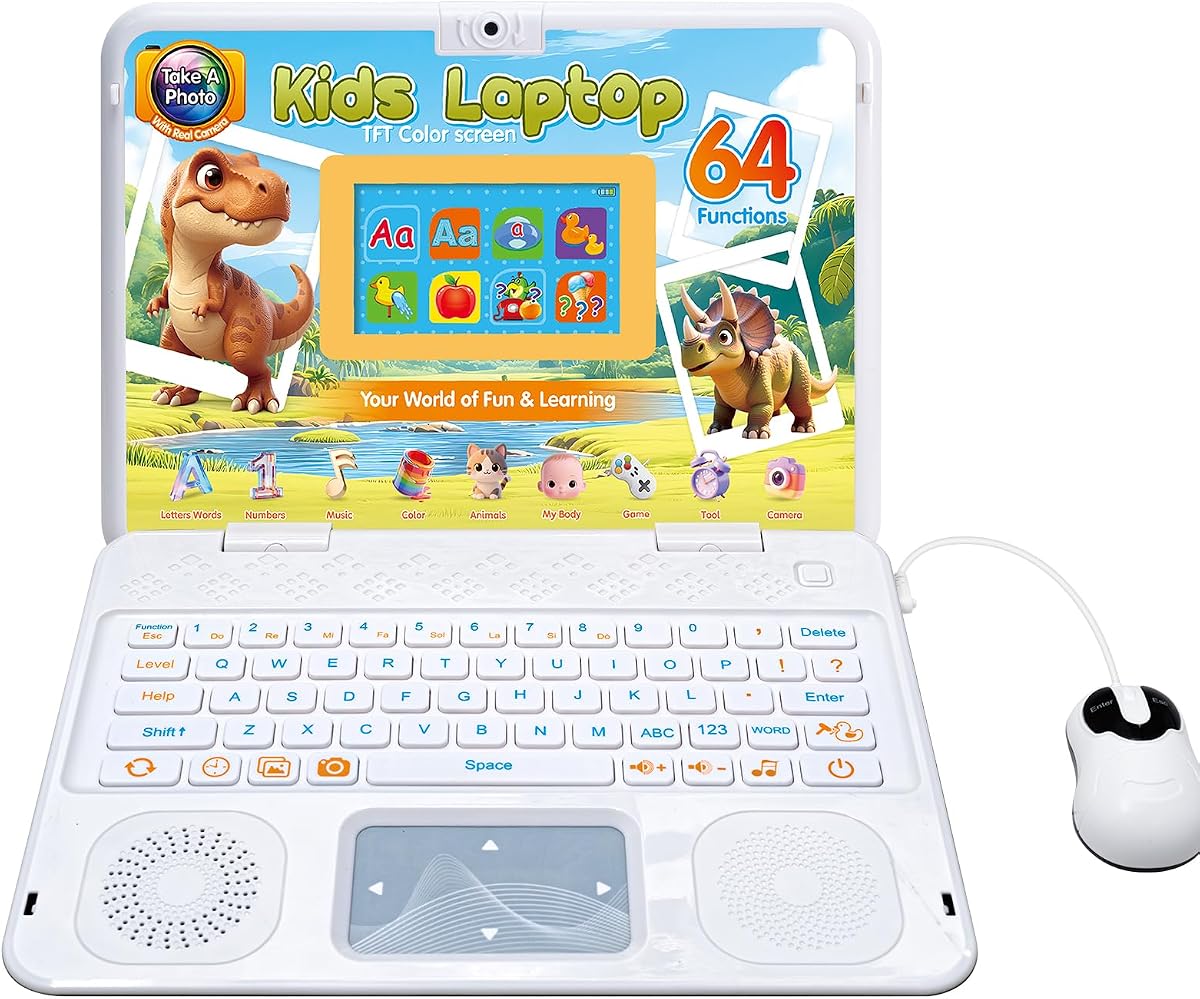
This educational laptop includes a camera feature that encourages creative expression. Kids can take pictures and apply filters which adds a fun element to the learning experience.
We may earn a commission when you buy through this link, at no additional cost to you.
The 64 learning modes cover basic logic and math which are foundational for coding. The colorful screen attracts attention and keeps young learners engaged longer than black and white options.
It is designed specifically for small hands with ergonomic grips. While it does not run actual code it simulates the interface to build familiarity.
For families wanting to combine art and logic this toy laptop offers a balanced approach to early tech education.
The included camera allows children to explore photography which complements visual learning in tech education.
64 activities keep children interested across different subjects ensuring they stay engaged with the device daily.
We may earn a commission when you buy through this link, at no additional cost to you.
The LeapFrog ABC and 123 Laptop is tailored for preschoolers starting their tech journey. It introduces letters and numbers through fun animations that keep young minds active.
We may earn a commission when you buy through this link, at no additional cost to you.
Pixel the digital face guides children through activities providing immediate feedback. The simple layout removes complexity which can be overwhelming for very young children.
Coding logic starts early with basic sequencing games included in the package. This device focuses on engagement to build confidence in using technology tools.
It is an excellent starter device for toddlers who are just beginning to explore screens and keyboards.
Pixel animates hands and speaks to encourage learning through friendly interaction and visual engagement.
Children create simple programs to clean or cuddle Pixel introducing foundational logic concepts in a playful way.
We may earn a commission when you buy through this link, at no additional cost to you.
This laptop offers a wide range of activities suitable for early learners. The colorful display ensures that visuals are clear enough for basic interaction without eye strain.
We may earn a commission when you buy through this link, at no additional cost to you.
It includes logic games that help develop problem solving skills. The realistic mouse and keyboard mimic a real computer helping children transition to larger devices later.
While the screen is small the price point makes it accessible for many households. It serves well as a second device for travel or play.
For budget conscious parents looking for educational toys this model provides good utility without significant investment.
The included games test logic and speed helping children develop critical thinking skills essential for coding.
48 modes ensure there is always something new to explore keeping the child interested for long periods.
We may earn a commission when you buy through this link, at no additional cost to you.
The LEXiBOOK LAPTAB blends a tablet and laptop design effectively. It offers a large touchscreen ideal for drawing or using touch interfaces in coding apps.
We may earn a commission when you buy through this link, at no additional cost to you.
With access to Google Play it supports a wide range of educational apps. The parental controls are robust allowing parents to manage time and content easily.
The octa-core processor ensures apps run smoothly without lag. This flexibility makes it suitable for both schoolwork and creative projects.
Families wanting a versatile device that grows from basic learning to advanced apps will appreciate its adaptability.
Robust controls allow parents to manage time and apps ensuring a safe tailored experience for everyone.
Google Play provides access to thousands of games and apps offering unbeatable entertainment and learning options.
We may earn a commission when you buy through this link, at no additional cost to you.
Selecting the right device requires balancing performance cost and durability. This guide breaks down the key factors to consider when buying a laptop for a young coder.
Most coding tools run best on ChromeOS Windows or Linux. Chromebooks are excellent for web-based coding like Scratch and Python in a browser. Windows laptops offer more software options for advanced IDEs.
Choose ChromeOS for simplicity and security or Windows for full software access. Verify the tools your child wants to learn run well on the chosen OS.
For basic learning a processor like Intel N150 or MediaTek Kompanio is sufficient. 4GB RAM handles typical web apps but 8GB prevents slowdowns during multitasking.
Look for at least 4GB RAM to ensure smooth performance. Higher RAM helps if the child runs virtual machines or multiple browser tabs simultaneously.
128GB storage is a good baseline for student laptops. SSD or UFS storage ensures faster boot times and app loading compared to traditional hard drives.
Select devices with SSDs for better speed. Ensure there is space for downloaded projects or consider models with expandable SD card slots.
A Full HD display reduces eye strain during long coding sessions. 14 inches is ideal for reading code lines clearly but 15.6 inches offers even more workspace.
Prioritize anti-glare screens for comfort. Larger screens help split view for tutorials and code which is vital for learning efficiency.
Kids need sturdy laptops that can handle drops and spills. Look for MIL-STD ratings and spill-resistant keyboards for longevity in active environments.
Choose rugged models for active students. Rugged builds prevent damage from daily wear and reduce replacement costs over time.
Lightweight laptops under 3 lbs are easier for kids to carry. Battery life should last through a school day to avoid constant charging interruptions.
Aim for devices with at least 8 hours of battery. Lighter weight ensures the child can carry the laptop without fatigue daily.
Coding requires typing so a comfortable keyboard is essential. Backlit keys help during evening practice and physical keyboards are better than touch screens for syntax.
Ensure the keyboard has a standard layout. Backlit keys are a bonus for studying in low light environments at home.
Protecting kids from unsafe content is vital. Devices with built-in parental controls or easy user management help parents manage screen time and access.
Select laptops with robust security features. Built-in tools simplify managing apps and websites without third party software.
Keep the laptop clean by wiping the screen and keyboard with a microfiber cloth. Dust can accumulate in ports affecting connectivity and performance.
Use a protective case when traveling to prevent accidental drops. Hard shells add extra durability to the chassis and screen.
Teach kids to close apps properly before shutting down. This ensures data is saved and prevents file corruption in the future.
ChromeOS is often recommended for beginners due to simplicity and web-based tools. However Windows offers broader software support for advanced programming languages like C++ and Java.
Most beginner coding tasks do not require high specs. A mid-range laptop with 4GB to 8GB RAM is sufficient for Scratch and basic Python projects.
With proper care a durable Chromebook or student laptop can last 3 to 5 years. Battery life may decrease over time but performance remains stable with regular updates.
Yes many popular coding platforms like Google Colab and Scratch run perfectly on Chromebooks. They are secure and easy to manage for student environments.
Anti-glare coatings and Full HD resolution are essential. Adjustable brightness and larger screens also reduce strain during long reading and typing sessions.
Some coding apps work on tablets but physical keyboards are preferred for syntax. Tablets are great for drawing but laptops are more versatile for serious programming.
No traditional keyboards are more efficient for typing code. Touchscreens are useful for navigation but not essential for writing or debugging software.
The HP Chromebook 14 x360 Plus and Lenovo Chromebook 14 are top contenders for balancing price and performance. Both offer versatile features that grow with a child.
Prioritize durability and battery life when selecting a device. A sturdy laptop ensures your child can focus on learning without worrying about technical issues.
Remember to check current pricing and availability before purchasing. Technology prices change frequently so verifying the latest deals ensures you get the best value.