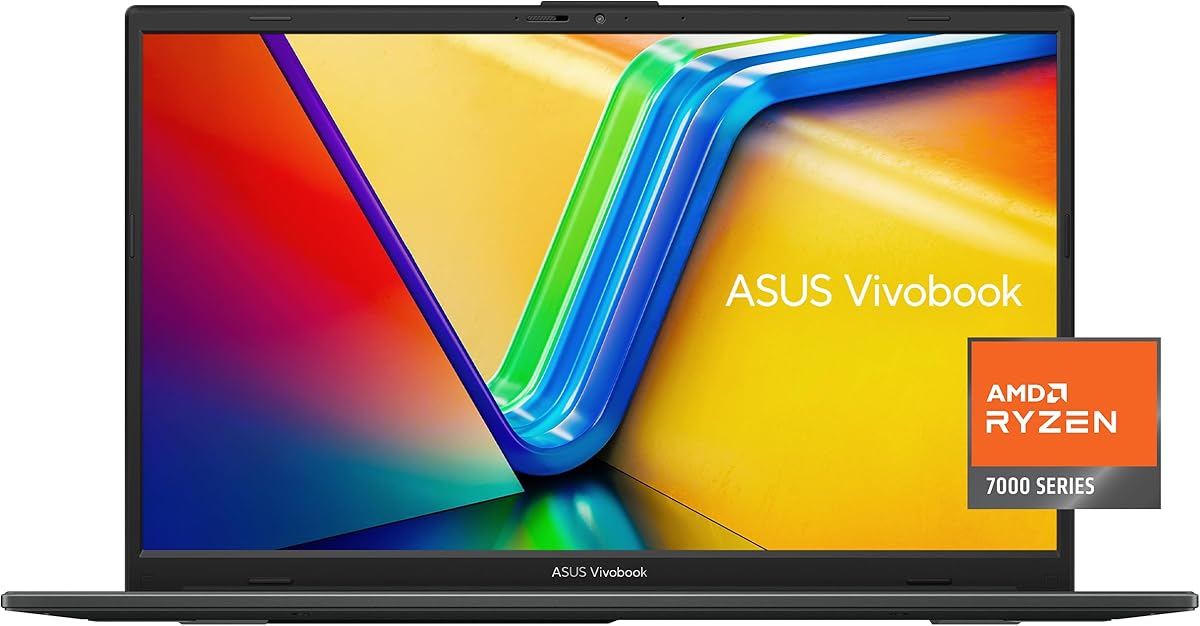
ASUS Vivobook Go 15.6", FHD Slim Laptop
4.3Editor score
AMD Ryzen 3 7320U Processor
8GB DDR5 RAM Memory
128GB SSD Storage Space
Finding the right laptop is crucial for academic success. Students need reliable devices that handle coursework, research, and entertainment without breaking the bank. ASUS offers a wide range of options tailored to different budgets and performance requirements.
We analyzed ten distinct ASUS models based on processor speed, memory capacity, storage options, and build quality. Our review focuses on features that matter most to learners, including battery longevity, display clarity, and connectivity ports for peripherals.
Each pick highlights specific strengths and ideal use cases to simplify your decision. Remember that pricing fluctuates frequently so check current listings before purchasing to ensure you get the best value available today for your specific needs.
4.3Editor score

4.8Editor score

4.5Editor score
As an Amazon Associate we earn from qualifying purchases.
Here is a detailed side-by-side comparison of all ten ASUS laptops featured in this guide. We break down key specifications to help you quickly identify which model aligns best with your academic and personal computing needs.


The ASUS Vivobook Go 15.6" stands out as the most affordable option on our list while still delivering essential performance for students. With a rating of 4.3 stars it proves reliable for everyday tasks like web browsing writing papers and streaming lectures.
We may earn a commission when you buy through this link, at no additional cost to you.
Its AMD Ryzen 3 7320U processor paired with 8GB of DDR5 RAM ensures smooth multitasking across browser tabs and office applications. The 128GB SSD offers faster boot times compared to traditional hard drives though storage space is limited for large media libraries.
Build quality is a strong point with military-grade durability testing ensuring the chassis can withstand the rigors of campus life. The privacy shutter on the webcam adds a valuable layer of security for remote classes and video calls without needing software tweaks.
This laptop is ideal for budget-conscious students who prioritize portability and reliability over high-end graphics or massive storage. If you manage files in the cloud or use external drives the trade-off in internal space is easily acceptable for the price.
The combination of Ryzen 3 and DDR5 RAM delivers responsive performance for standard academic workflows without draining your wallet.
Military-grade testing and a physical webcam shield provide peace of mind when using the device in public spaces like libraries or cafes.
We may earn a commission when you buy through this link, at no additional cost to you.
Stepping up from the base model the ASUS Vivobook Go 15 offers a significant bump in storage with a 512GB SSD. This change alone makes it a more practical choice for students who need to store documents projects and media locally without constant cloud dependency.
We may earn a commission when you buy through this link, at no additional cost to you.
The AMD Ryzen 5 7520U processor provides better performance headroom than the Ryzen 3 allowing for quicker file processing and smoother handling of heavier applications like data analysis tools or light image editing software.
Connectivity is enhanced with Wi-Fi 6E ensuring stable and fast internet connections even in crowded campus dorms or lecture halls. The fast charging technology means you can top up half the battery in just thirty minutes keeping you productive during long study sessions.
While it shares the same chassis design as the entry-level model the added storage and processing power make it a compelling mid-range option. Students who need more than basic word processing will appreciate the balance of performance and affordability here.
Wi-Fi 6E support guarantees reliable streaming and downloads while fast charging keeps the device ready for use throughout the day.
The ErgoSense keyboard design reduces strain on wrists and hands making long writing sessions more comfortable for thesis work or coding.
We may earn a commission when you buy through this link, at no additional cost to you.
This model earns the Editor's Choice badge due to its exceptional rating of 4.8 stars and modern architecture featuring the Snapdragon X processor. It brings Copilot+ PC capabilities which offer AI-driven tools to streamline research summarization and creative tasks for advanced students.
We may earn a commission when you buy through this link, at no additional cost to you.
With 16GB of RAM multitasking becomes seamless allowing you to run multiple browser windows coding environments and virtual machines simultaneously. The 512GB SSD provides ample space for your digital library while ensuring rapid access to your files and operating system.
The 14-inch form factor strikes an ideal balance between screen real estate and portability making it easy to carry between classes or to study groups. Its Quiet Blue color adds a touch of style while maintaining a professional look suitable for internships and presentations.
Students looking for a future-proof device with cutting-edge AI features will find this laptop incredibly appealing. While there is a slight learning curve with ARM-based Windows the performance and efficiency benefits make it a top-tier investment for academic success.
Copilot+ PC features like Recall and Live Captions transform how you interact with content making study and organization more intuitive.
Comes with a manufacturer warranty covering parts and labor ensuring you are protected against any unexpected hardware issues during your studies.
We may earn a commission when you buy through this link, at no additional cost to you.
This entry-level model targets students who primarily need a device for web browsing document editing and video conferencing. Its low rating of 3.9 reflects limitations in RAM and processing power but for very basic tasks it remains a functional and affordable solution.
We may earn a commission when you buy through this link, at no additional cost to you.
The Intel Celeron N4500 processor is designed for energy efficiency ensuring long battery life for all-day lectures or study sessions. Although 4GB of RAM restricts heavy multitasking it is sufficient for running essential apps like Word, Google Docs or Teams simultaneously.
Portability is a key strength with a slim profile that fits easily into backpacks without adding much weight. The inclusion of a webcam shutter ensures privacy during online classes without needing to rely on software settings or external tape covers.
If your coursework does not involve demanding software like video editing or complex simulations this laptop offers a cost-effective entry point. It serves well as a secondary device or a starter machine before upgrading to more powerful hardware later.
Low power components ensure extended usage on a single charge reducing the need to hunt for outlets during long campus days.
A simple interface and lightweight design make it easy for younger students to start learning immediately without technical hurdles.
We may earn a commission when you buy through this link, at no additional cost to you.
Students who prefer a larger workspace will appreciate this 16-inch model which offers a WUXGA display for crisp visuals. With a rating of 4.4 it balances the benefits of a bigger screen with the portability of modern thin laptop designs effectively.
We may earn a commission when you buy through this link, at no additional cost to you.
The Qualcomm Snapdragon X processor supports AI tasks and multitasking thanks to its Hexagon NPU and integrated Adreno GPU. This makes it suitable for students who need to run multiple applications or work with graphics-intensive software alongside standard coursework.
The display brightness of 300 nits ensures clear visibility even in moderately lit lecture halls. The 16:10 aspect ratio provides more vertical space which is particularly helpful when reading research papers or coding with long lines of text.
While slightly larger than 14-inch options this laptop is still portable enough for most campus needs. If you struggle with small fonts or need to view multiple windows side by side this model offers a compelling compromise between screen size and mobility.
The larger screen real estate allows for better organization of study materials and reduces the need for excessive scrolling.
AI accelerators inside the chip improve efficiency for creative apps and system tasks ensuring a smoother overall user experience.
We may earn a commission when you buy through this link, at no additional cost to you.
This variant distinguishes itself with a massive 1TB SSD which is rare in this price range and perfect for storing extensive project files and media. The inclusion of Windows 11 Pro adds business-grade features like BitLocker encryption that benefit students in sensitive academic fields.
We may earn a commission when you buy through this link, at no additional cost to you.
Powered by the Intel Core 5 120U it handles daily tasks with ease and supports virtualization for coding students. The bundled PLUSERA Docking Hub simplifies connectivity allowing you to attach multiple monitors and peripherals with a single cable for a desktop setup.
The 12GB RAM offers a nice middle ground between standard 8GB and 16GB options ensuring smooth performance for moderate multitasking. The Vanilla Basil color gives it a unique and professional look suitable for internships or client meetings.
Students needing significant local storage without relying on cloud services will find this model particularly advantageous. The extra security features of Windows 11 Pro also make it a safer choice for storing personal data and research projects securely.
BitLocker encryption and 1TB SSD ensure your sensitive research and data are both secure and easily accessible without lag.
The included docking hub removes the need for extra adapters making it easy to connect to projectors and external drives.
We may earn a commission when you buy through this link, at no additional cost to you.
This model offers a well-rounded configuration that avoids extremes in price or capability making it a safe bet for general students. With a rating of 4.2 it performs reliably for most academic tasks and includes 16GB of RAM out of the box for future-proofing.
We may earn a commission when you buy through this link, at no additional cost to you.
The Intel Core 5 120U processor provides solid performance for productivity apps and light content creation. Its 15.6-inch display is a standard size that fits comfortably on desks and provides enough space for split-screen multitasking during study sessions.
Connectivity options are robust with Wi-Fi 6 and multiple USB ports ensuring you can connect to networked devices and peripherals without issues. The silver finish maintains a sleek professional appearance that looks good in both casual and formal settings.
For students who want a straightforward laptop without needing business features or excessive storage this model hits the sweet spot. It delivers consistent performance for word processing research and online learning without unnecessary bloat or complexity.
The combination of Core 5 and 16GB RAM ensures that the laptop remains responsive even with many tabs and apps open.
A common 15-inch size ensures compatibility with most laptop sleeves and bags making travel and storage simpler.
We may earn a commission when you buy through this link, at no additional cost to you.
This premium bundle stands out with an Intel Core i9 processor and 32GB of RAM designed for heavy workloads like 3D rendering or complex simulations. A rating of 4.5 reflects its high performance and the added value of the PCO Cooler accessory included in the package.
We may earn a commission when you buy through this link, at no additional cost to you.
The physical webcam shield and fingerprint reader enhance security ensuring your data and privacy are protected during and between uses. The backlit keyboard allows for comfortable typing in dimly lit environments such as late-night study sessions in dorm rooms.
While this laptop is on the expensive side it is worth the investment for students in engineering architecture or data science who need raw power. The 1TB SSD and Windows 11 Pro make it a complete professional-grade machine for intensive coursework.
Students who require top-tier performance and do not have strict budget constraints will find this model unmatched in its class. The included cooling solution addresses thermal throttling concerns allowing sustained high performance during long rendering or computation tasks.
i9 processor and 32GB RAM allow for running virtual machines and heavy applications without slowdowns or crashes.
Biometric login and backlit keys provide both convenience and security ensuring smooth workflow in any lighting condition.
We may earn a commission when you buy through this link, at no additional cost to you.
This laptop leverages the AMD Ryzen AI 7 350 processor with an XDNA NPU to deliver up to 50 TOPS of AI performance. With a rating of 4.2 it is an attractive option for students interested in AI capabilities and efficient computing for next-gen apps.
We may earn a commission when you buy through this link, at no additional cost to you.
The 14-inch WUXGA display provides a high resolution workspace that is crisp and clear for detailed work. The AMD Radeon graphics support decent gaming and multimedia playback making it a versatile device for both study and leisure activities.
Included with the purchase is three months of PC Game Pass allowing you to explore popular titles without extra subscription costs. This adds significant value for students who want to unwind with games after a long day of classes and assignments.
Ideal for those who want to be at the forefront of AI technology this model offers features like Recall and Live Captions. While some software may still be evolving the performance and AI integration make it a strong contender for future-ready academic work.
Ryzen AI 7 accelerates AI workloads making features like translation and search faster and more responsive than standard laptops.
With gaming perks and a high-quality screen this laptop serves as both a serious study tool and an entertainment hub.
We may earn a commission when you buy through this link, at no additional cost to you.
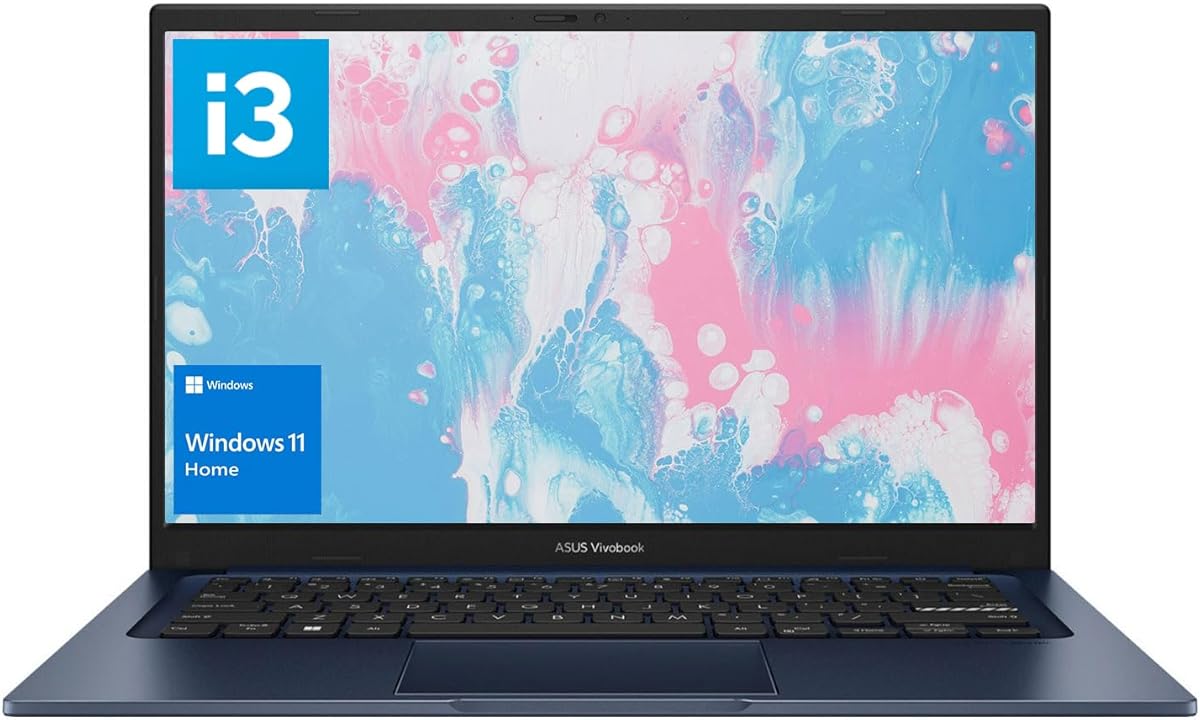
This final entry offers a unique mix of an i3 processor with high 16GB RAM making it surprisingly capable for multitasking on a budget. A rating of 4.2 indicates reliable performance for standard student workloads like writing researching and attending online classes.
We may earn a commission when you buy through this link, at no additional cost to you.
The 512GB SSD ensures you have enough space for all your documents and applications without needing external storage immediately. Its 14-inch form factor keeps it lightweight and portable allowing you to carry it easily between classes and study spots.
Connectivity is solid with Wi-Fi 6 and an HDMI port meaning you can connect to projectors or larger screens for presentations. The blue finish adds a friendly touch to the design making it approachable and distinct from standard silver or black laptops.
For students who need a reliable and portable device for general tasks this model provides excellent value. The high RAM compensates for the processor limitations allowing for smoother performance than expected in this price bracket.
16GB RAM at this price point is rare ensuring you won't run out of memory even with many applications open.
Built-in HDMI and Wi-Fi 6 make it ready for classroom use while the lightweight design ensures easy transport.
We may earn a commission when you buy through this link, at no additional cost to you.
Choosing the right laptop involves balancing performance needs with budget constraints. This guide breaks down the key factors to consider when selecting an ASUS device for your academic journey.
The processor is the brain of your laptop and determines how well it handles tasks. For students doing basic writing and browsing an Intel Core i3 or AMD Ryzen 3 is sufficient. However if you plan on coding data analysis or video editing consider at least an Intel Core i5 or Ryzen 5 or higher to ensure smooth performance over time.
Prioritize processors with multiple cores to handle multitasking efficiently without slowing down during peak study hours.
RAM allows your computer to run multiple applications simultaneously. Eight gigabytes is the minimum recommended for students but 16GB offers significantly better longevity for your investment. With more RAM you can keep dozens of browser tabs and research documents open without experiencing lag or crashes.
If your budget permits choosing a model with 16GB of RAM ensures your laptop stays responsive for several years of academic use.
Solid State Drives (SSDs) are essential for fast boot times and quick file access. Aim for at least 512GB of storage to keep your operating system applications and personal files on the device. While some models offer 128GB it may fill up quickly limiting your ability to store large research files or media.
Ensure the laptop has an SSD rather than a traditional hard drive to maximize speed and reliability during daily academic tasks.
A 15.6-inch screen is standard and offers a good balance between portability and readability. Look for Full HD (1920×1080) resolution to ensure text and images appear sharp during long study sessions. Matte anti-glare coatings are highly recommended for reducing eye strain when working under bright lights.
Select a screen size that fits comfortably in your bag but still provides enough real estate to view documents and references effectively.
Students often move between classes and libraries so long battery life is crucial. Look for models that promise at least eight hours of usage on a single charge. Fast charging capabilities are also a major plus allowing you to top up quickly during short breaks.
A durable battery ensures you can attend lectures and study sessions without constantly searching for power outlets.
Modern laptops often have limited ports so ensure your chosen model has the connections you need. USB-A and USB-C ports are necessary for peripherals while HDMI allows for projector connections in classrooms. Wi-Fi 6 support provides faster and more stable internet speeds in crowded campus environments.
Check the number of USB ports to avoid needing extra hubs for your mouse keyboard and external drives.
College life involves carrying your laptop in crowded backpacks where bumps and drops are common. Military-grade durability standards ensure the chassis can withstand these physical challenges. A sturdy keyboard and hinge are also important for daily typing and opening the device frequently.
Investing in a durable model reduces the risk of physical damage and extends the usable life of your device.
Windows 11 Home is standard but 11 Pro adds features like BitLocker encryption which is useful for protecting sensitive data. Physical webcam shutters and fingerprint readers enhance security and privacy for remote classes and personal information. Ensure the OS supports the latest security updates for years to come.
Choose a version with necessary security features to keep your academic and personal data safe from unauthorized access.
To maximize battery life close unused applications and lower screen brightness when not in use. Avoid leaving the laptop in hot cars or direct sunlight as extreme heat can damage the internal components and battery health significantly over time.
Clean the screen and keyboard regularly using a microfiber cloth and approved cleaning solutions to prevent dust buildup. Be careful not to use liquid cleaners directly on the device but rather apply them to the cloth first to avoid moisture entering the ports.
Use a protective sleeve when carrying the laptop in a backpack to shield it from scratches and impact. If you use the device for long periods take breaks to rest your eyes and wrists to maintain good ergonomics and physical health during study sessions.
Engineering students should prioritize models with powerful processors like the Intel Core i9 or Ryzen AI 7 combined with at least 16GB of RAM. The ASUS Vivobook 15 with the i9 processor is excellent for heavy simulations while the Vivobook 14 Ryzen AI 7 offers strong AI features for modern engineering tools.
Yes most models in this guide include an HDMI port and USB-C support allowing you to connect external monitors. This setup is ideal for expanding your workspace during research or presentations and helps organize multiple windows efficiently.
Most models offer between eight to twelve hours of battery life on a single charge depending on the intensity of the tasks. For example the Ryzen AI models claim up to twelve hours while standard models typically provide around eight hours of reliable usage.
Basic graphic design is supported by models with 16GB RAM and dedicated or integrated graphics like the Vivobook 16. However for professional design work you may want a model with higher resolution displays and more advanced graphics cards.
Many Vivobook models allow for RAM or SSD upgrades but some ultra-thin designs have soldered memory. Check the specific technical specifications for each model before purchasing to confirm if upgrades are possible in the future.
Most new laptops come with a trial version of Microsoft Office 365 but not a perpetual license. You will likely need to purchase a subscription or use free alternatives like Google Docs to access full word processing tools long-term.
The ASUS lineup offers diverse options catering to various academic needs and budget levels. Whether you need the powerful i9 processor for engineering or the budget-friendly Vivobook Go for basic coursework there is a suitable choice for every student.
When selecting a model prioritize processing power and RAM capacity to ensure your device lasts through your entire academic career. A larger SSD is also valuable for storing research and projects without relying on cloud storage services exclusively.
Remember that prices change frequently so check current listings and deals before making your final purchase decision. Investing in the right laptop now will provide you with a reliable tool for your studies and future professional endeavors.